I model it in SOLIDWORKS, stress-test it before it's cut, and I've stood on the production line to see what happens when a part is wrong. Currently researching battery thermal management at ASU's BELIV Lab.
design intent means nothing until it survives contact with a machine shop
I'm a Mechanical Engineering Systems junior at Arizona State University, and the thing I care about most is the gap between a part that looks right in CAD and a part that actually works — dimensionally, thermally, and under load.
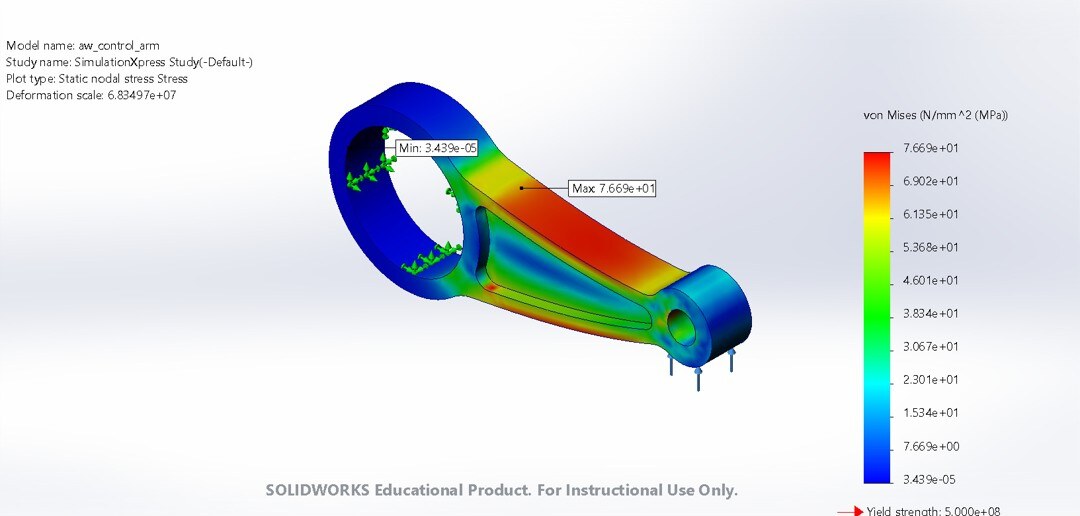
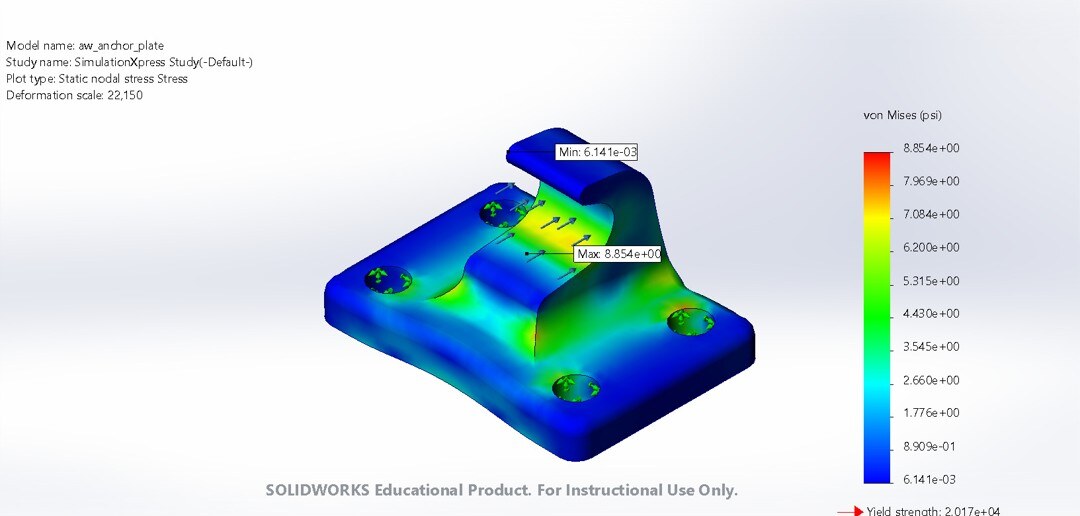
That gap is why I split my time between the design side and the shop-floor side. In SOLIDWORKS I build assemblies and run static stress studies before anything gets machined. Two summers on the line at BYD Uzbekistan Factory — welding, assembly, painting, inspection — taught me what a drawing looks like once it's real, and how much of engineering is really about process discipline.
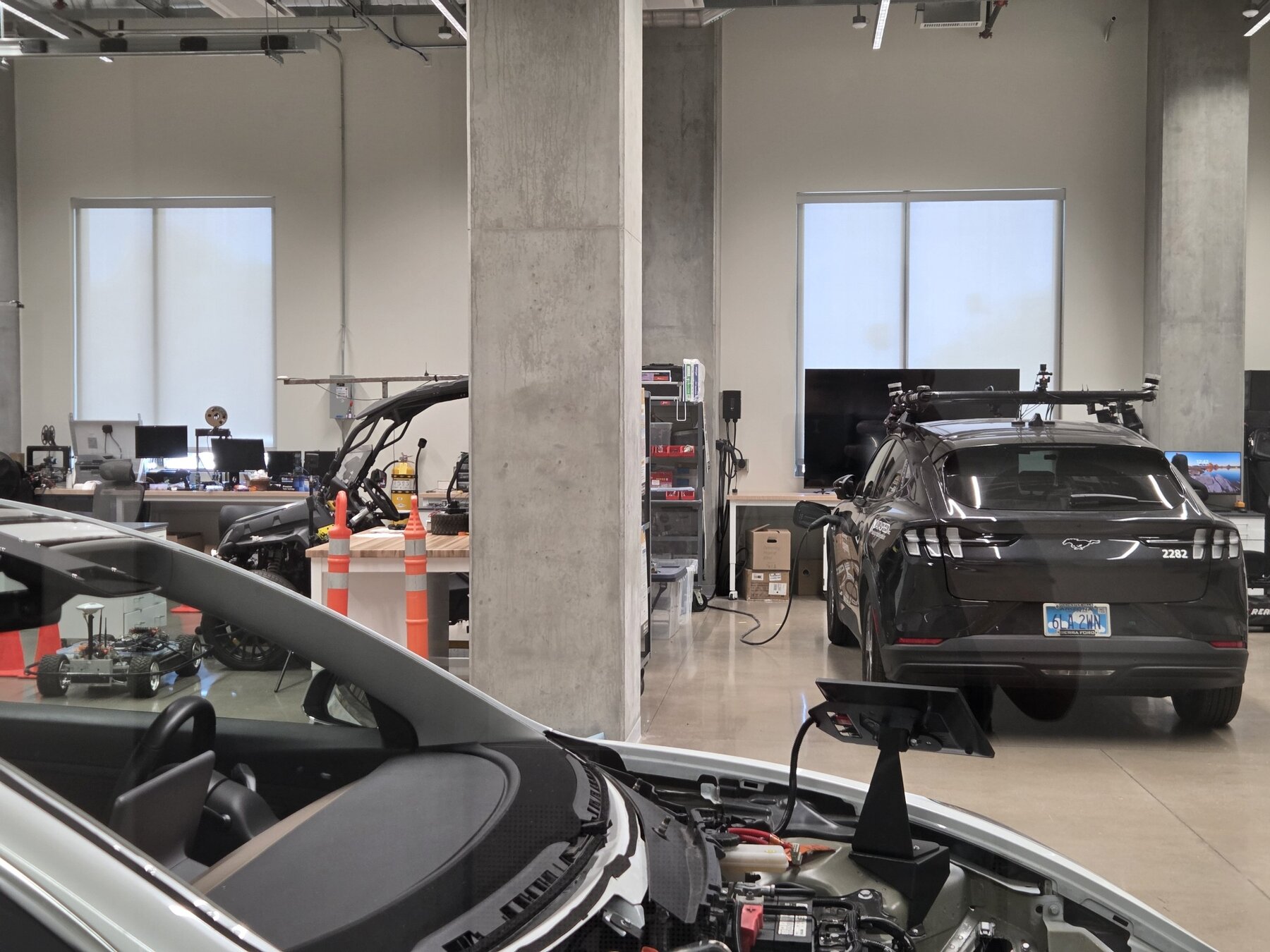
Right now I'm an undergraduate research assistant at ASU's BELIV Lab, building COMSOL thermal simulations for autonomous-vehicle battery packs — tracking how a jelly roll and its cooling channels heat up under load. Before that, I spent a year at the Arizona Center for Algae Technology and Innovation running spectrophotometer measurements and keeping outdoor testbed cultures healthy.
I also work as a Technology Consultant for ASU's classrooms and labs — the same instinct that likes debugging a stress plot also likes debugging a projector at 8am.

SolidWorks work — from full assemblies to stress studies · verify CSWA certification →


from spectrophotometers to welding torches to thermal sims
battery thermal work at BELIV Lab, and a second CAD angle
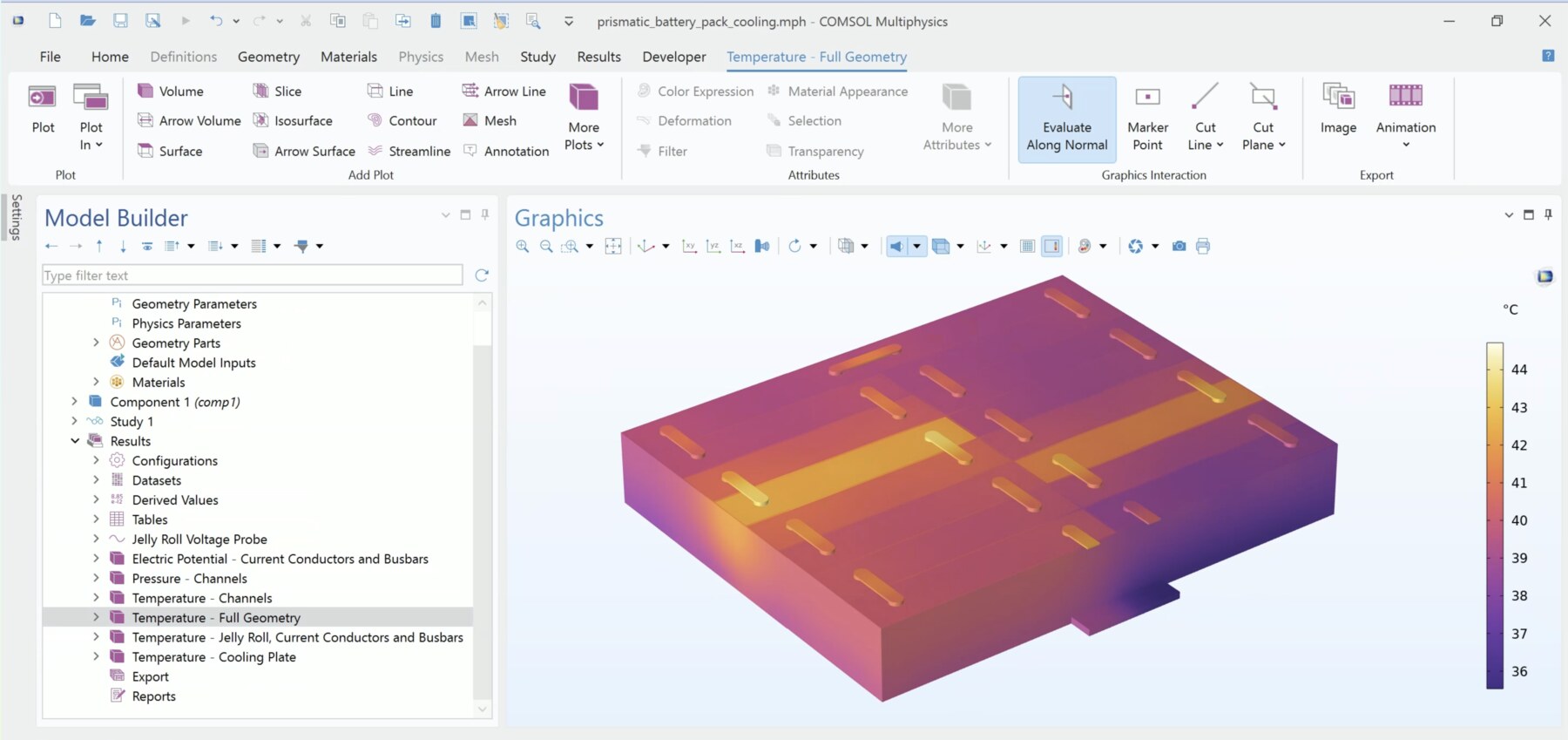
Full-geometry thermal simulation of a prismatic battery pack and cooling channels, run in COMSOL as part of BELIV Lab's autonomous-vehicle battery research — tracking how heat spreads across busbars and cells under load.

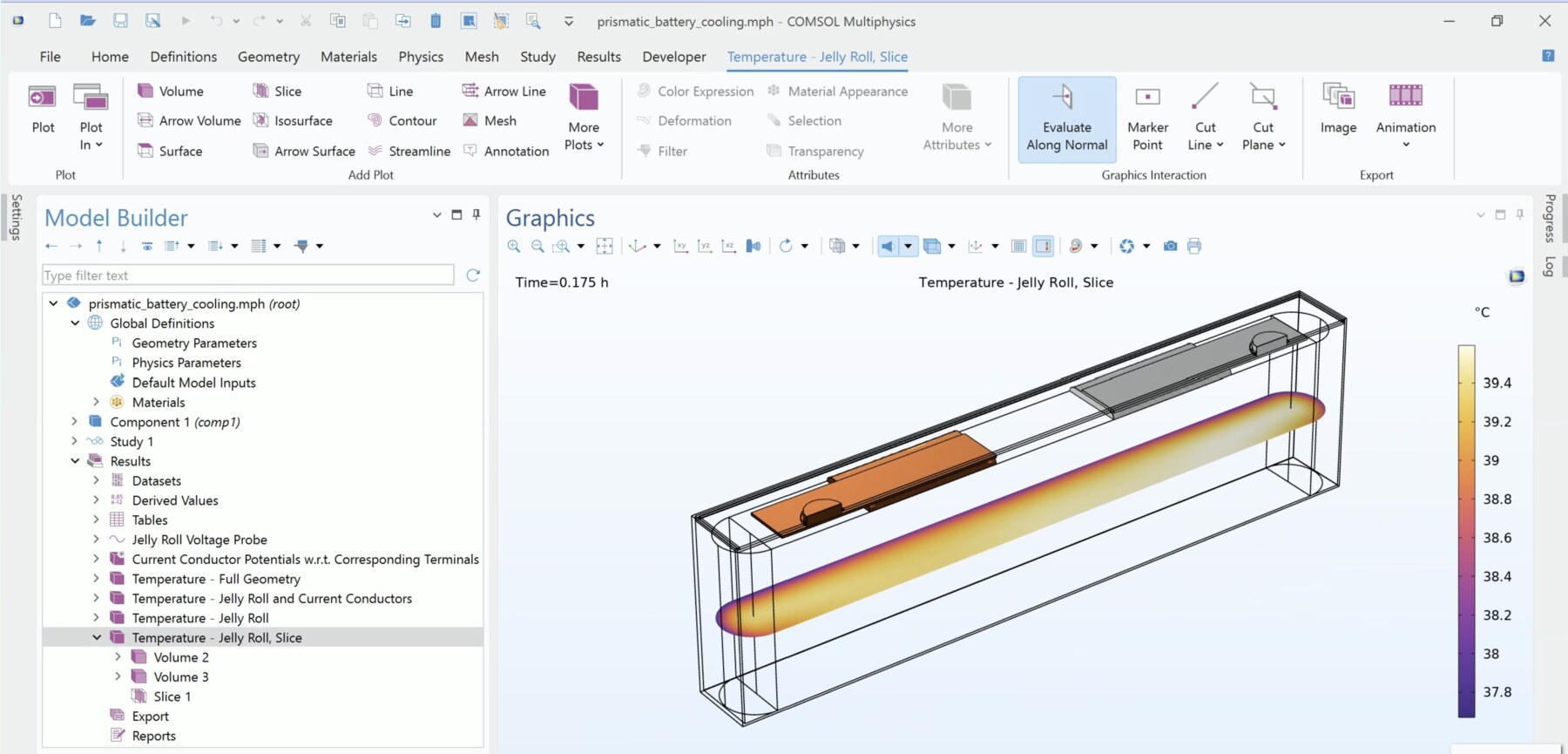
A sliced-view temperature study of a single prismatic cell's jelly roll, used to check how effectively the cooling channel pulls heat away from the hottest region of the cell during a simulated drive cycle.

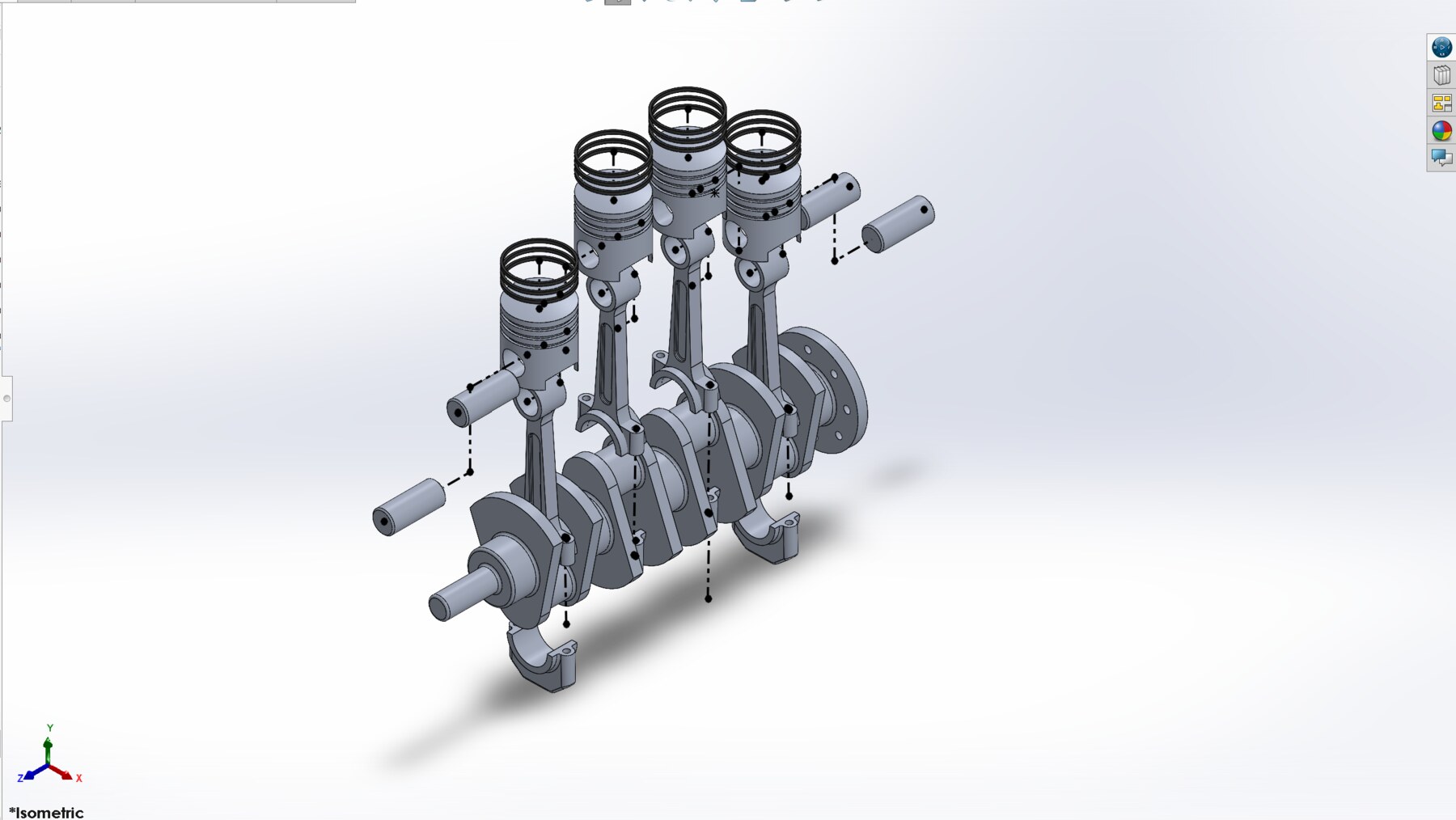
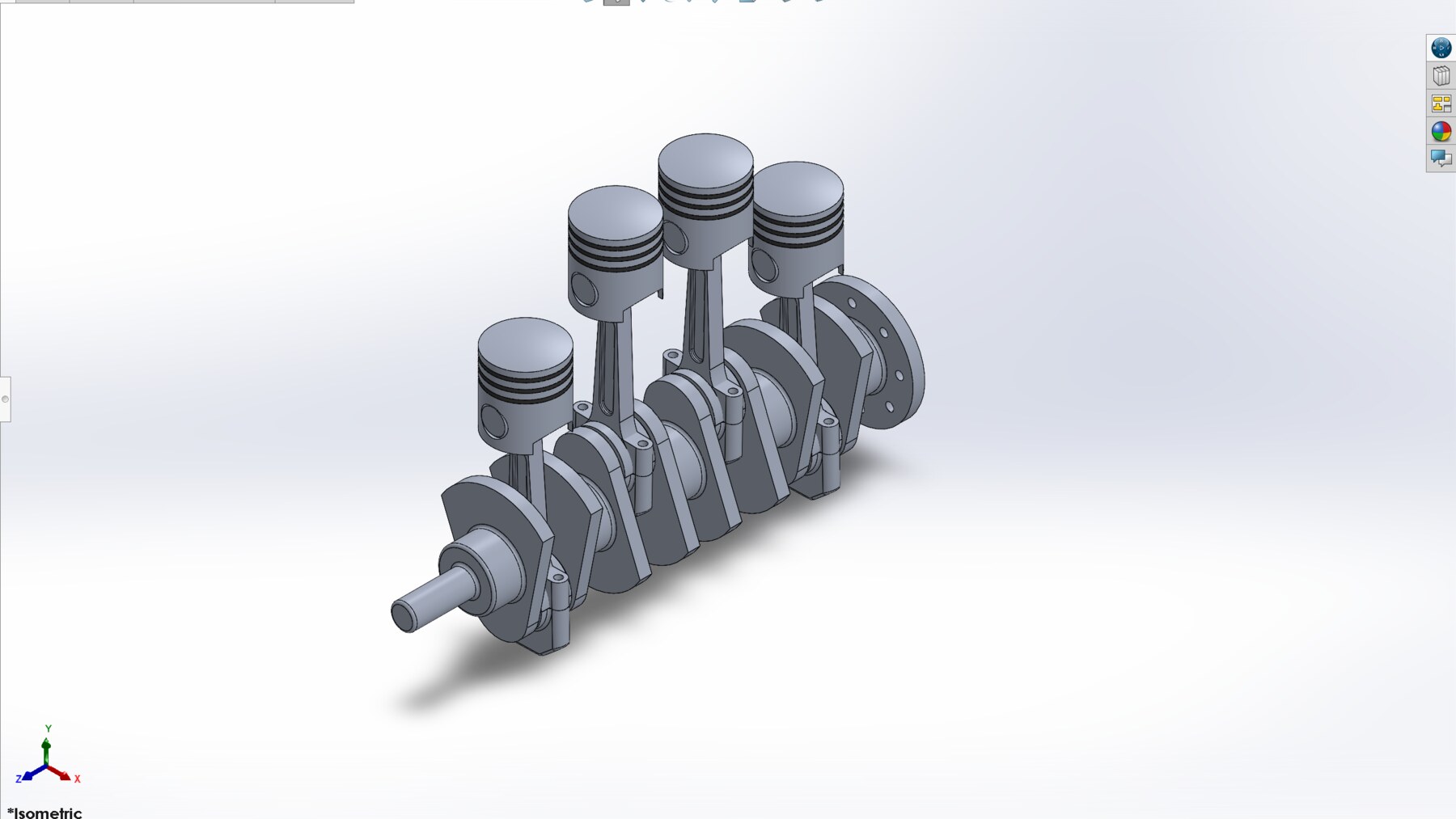
A closer isometric pass on the four-cylinder piston and crankshaft assembly, showing piston ring detail and the crank throw geometry that keeps every cylinder in phase.

CAD, simulation, and the shop-floor habits that go with them
CAD, mechanics, and the electrical basics underneath every system
Advanced part modeling, assemblies, motion studies, design optimization, and engineering simulation tools — where the CSWA certification came from.
favoriteComputer-aided design techniques, 3D solid modeling, engineering drawings, and technical documentation for mechanical components.
foundationsEngineering materials, their properties, selection criteria, and manufacturing processes such as casting, machining, forming, and additive manufacturing.
manufacturingAn overview of welding processes, metallurgy, weld design, inspection methods, and safety practices — the classroom half of what BYD's line taught in practice.
shop-floor relevantStatics and basic mechanics concepts, including force systems, equilibrium, structural analysis, and engineering problem-solving.
mechanicsPrinciples of thermodynamics and fluid mechanics, including energy conservation, fluid flow, heat transfer, and engineering applications.
thermalDesign and operation of automotive engines, transmissions, drivetrains, cooling systems, lubrication, and vehicle thermal management.
BELIV Lab relevantParticle and rigid-body dynamics, vector-based mechanical analysis, free and forced vibrations, and their applications in mechanical system design.
physicsBasic electrical circuits, AC/DC systems, motors, sensors, and electrical principles commonly used in mechanical engineering applications.
electricalComputational methods, mathematical modeling, numerical analysis, and simulation techniques used to solve engineering problems.
simulationon track for December 2027
Arizona State University
Expected graduation: Dec 2027
SolidWorks CSWA Certified